




Sponsored Section

Aluminum Recycling in Altadena

Local Recycling Centers Offering Fast, Easy, And Eco-friendly Aluminum Drop-off

Discover convenient aluminum recycling services in Altadena with trusted local facilities ready to handle cans, sheet aluminum, extrusions, and mixed aluminum scrap. Nearby centers provide accurate weighing, competitive rates, and quick service—making it simple to recycle responsibly while earning value for your materials. Browse Altadena aluminum recycling centers and connect with local providers today.

Aluminum Recycling in Altadena – Why Hire a Professional Aluminum Recycling Service

A Complete Guide to Sustainable, Efficient, and High-Value Aluminum Recycling

Understanding Aluminum Recycling in Altadena

Aluminum recycling in Altadena is a critical part of sustainable waste management. Aluminum is one of the most widely used materials, appearing in beverage cans, gutters, window frames, auto parts, appliances, and construction debris. Because aluminum can be recycled endlessly without losing quality, it is one of the most environmentally friendly metals to reclaim. Recycling aluminum reduces landfill waste, lowers energy consumption, and supports a greener community.

Altadena residents, contractors, and local businesses frequently produce aluminum scrap through renovation projects, equipment replacements, and commercial operations. Rather than discarding this valuable metal, recycling ensures it is reused in new manufacturing cycles, reducing the demand for newly mined materials and lowering environmental impact.

Why Hire a Professional Aluminum Recycling Service in Altadena

Hiring a professional aluminum recycling service ensures your materials are handled properly, priced accurately, and processed responsibly. Aluminum comes in various forms—cast aluminum, sheet aluminum, extruded aluminum, and aluminum cans—and each type has a different value. Professional recyclers in Altadena have the tools and expertise to differentiate these materials, ensuring you receive competitive market-based pricing.

Another significant advantage is convenience. Aluminum scrap can vary from lightweight cans to heavy industrial pieces. Professional recycling services offer pickup options, sorting assistance, and fast payment, making the process easy for homeowners, construction crews, and commercial clients.

Hiring experts also guarantees compliance with environmental regulations. Altadena has specific guidelines for proper waste handling and recycling. Licensed aluminum recyclers follow these regulations carefully, ensuring safe, eco-friendly disposal and maximum material recovery.

Professionals also provide transparency and accuracy through certified weighing systems and up-to-date pricing methods. This ensures fair payouts and prevents undervaluing your aluminum scrap.

How to Choose the Best Aluminum Recycling Service in Altadena

Selecting the best aluminum recycling service starts with reviewing customer feedback, researching experience levels, and examining pricing transparency. A reputable Altadena recycler will explain how aluminum is sorted, graded, and weighed, making the entire process easy to understand.

Contractors and commercial clients generating large quantities of aluminum should look for bulk processing capabilities, pickup services, and same-day payment options. These features improve efficiency and maximize profitability during remodeling, demolition, or manufacturing operations.

Customer service is another essential factor. High-quality recycling services in Altadena maintain clear communication, offer fast responses, and provide full transparency regarding pricing and procedures. This builds trust and ensures a smooth recycling experience.

By choosing a professional aluminum recycling service in Altadena, you ensure responsible processing, maximize your payout, and contribute to environmental sustainability. Whether you're recycling aluminum cans, renovation scrap, or industrial metal, working with experts guarantees efficiency, safety, and excellent value.

best scrap metals recycling center near Sun Valley - TM Scrap Metals

TM Scrap Metals, Inc

Recycling Center

https://www.tmscrapmetals.com/

Google: 4.8 stars

Ferrous Metals Recycling, Non-Ferrous Metals Recycling

  • (818) 771-0510

  • 11092 Tuxford St, Sun Valley, CA 91352

Old Scrap Metals - best scrap metals pricing near Sun Valley - TM Scrap Metals

Altadena Recycling Center

Description: Local CRV recycling center that accepts aluminum cans, plastic, glass, and scrap metals.

Address: 2211 N Lincoln Ave, Altadena, CA 91001, USA

Phone: (626) 604‑0014

Website: altadenarecycling.com

Opening Hours: Tue–Sun 9:00 am–4:30 pm; closed Monday

P&T Metals

Description: Full‑service industrial and public scrap metal recycling and processing center serving Southern California, including Altadena.

Address: Serving Altadena, CA 91001, USA

Website: ptmetals.com

Industrial Scrap Metal Company

Description: Offers copper and general scrap metal recycling, with walk‑in and container/pickup services in Altadena.

Address: Altadena, CA 91001, USA

Website: industrialscrapmetal.com

LoadUp – Scrap Metal Removal Services

Description: Junk-removal company offering curbside and in-home scrap metal pickup, recycling-focused in Altadena.

Service Area: Altadena & Los Angeles County

Phone: (844) 239‑7711 or text (678) 884‑4738

Website: goloadup.com

Opening Hours: Daily 8:00 am–8:00 pm EST

Aluminum Recycling Altadena

Fast, reliable aluminum recycling with top payouts.

Get paid quickly with trusted aluminum recycling in Altadena today!

Altadena, CA, USA

People Also Ask

What Types of Aluminum Can Be Recycled?

Aluminum is one of the most widely recycled metals, and recycling centers accept many forms of it, including cans, sheets, siding, gutters, rims, appliances, automotive parts, window frames, cookware, and industrial scrap. Even small aluminum items such as foil or small hardware components may be accepted if clean and free of contaminants. Aluminum is highly valued because it can be recycled repeatedly without losing quality. Both consumer and industrial aluminum products contribute to the recycling stream, helping reduce waste and support sustainable manufacturing. Its lightweight nature and high recovery rate make aluminum one of the most efficient and eco-friendly metals to recycle.

How Does the Aluminum Recycling Process Work?

The aluminum recycling process begins with sorting materials by type and removing contaminants such as plastic, rubber, or paint. After sorting, aluminum is shredded into small pieces to reduce volume and improve melting efficiency. These pieces are then cleaned to remove coatings or debris. Once prepared, the material is melted at high temperatures in specialized furnaces. Because aluminum melts at a relatively low temperature compared to other metals, the recycling process consumes significantly less energy. The molten aluminum is then cast into ingots or sheets and used to manufacture new products. This closed-loop process supports cost-effective and environmentally responsible metal production.

Why Is Aluminum Valuable for Recycling?

Aluminum is valuable because it can be recycled indefinitely without losing strength or quality, making it a highly reusable and sustainable resource. Recycling aluminum uses up to 95% less energy than producing new aluminum from raw ore, which reduces environmental impacts and lowers manufacturing costs. Industries such as construction, packaging, transportation, and consumer goods rely heavily on aluminum due to its durability, lightweight nature, and corrosion resistance. As global demand for aluminum continues to grow, the recycling industry plays a crucial role in supplying manufacturers with high-quality recycled material, making aluminum one of the most sought-after scrap metals.

How Should Aluminum Be Prepared Before Recycling?

Most aluminum can be recycled as-is, but a few preparation steps can help improve its value and make processing more efficient. Removing non-metal attachments such as plastic, rubber, or fabric helps ensure cleaner material. Aluminum cans should be emptied, but crushing them is optional. Large items like rims or siding should be free of excessive dirt or debris, while mixed aluminum items may benefit from sorting into categories like cast aluminum, sheet aluminum, and aluminum extrusion. Clean, separated aluminum typically receives more accurate grading and faster processing at recycling facilities.

What Are the Environmental Benefits of Aluminum Recycling?

Recycling aluminum significantly reduces environmental impact by lowering the need for mining bauxite ore and decreasing the energy required to produce new aluminum. Aluminum recycling uses only a fraction of the energy needed for primary production, helping reduce greenhouse gas emissions and conserving natural resources. It also prevents valuable metal from entering landfills, where it would otherwise remain for decades without degrading. By supporting aluminum recycling, individuals and businesses contribute to a circular economy in which materials remain in use longer and manufacturing becomes more sustainable and resource-efficient.

Can Aluminum from Household Items Be Recycled?

Yes, many household items contain recyclable aluminum, including beverage cans, cookware, foil, baking trays, blinds, siding pieces, patio furniture, and small appliance components. These materials are widely accepted at recycling centers because of aluminum’s high recyclability and consistent metal content. Before recycling, household aluminum should be clean and free from food residue or attached non-metal materials. Even small amounts of aluminum contribute to the metal recovery stream, making it easy for households to support sustainable recycling practices while reducing waste and promoting efficient resource use.

How Do Recycling Centers Determine the Value of Aluminum?

The value of aluminum depends on its type, grade, cleanliness, and weight, as well as current market conditions. Clean aluminum grades such as extruded aluminum or aluminum rims often bring higher prices because they contain more pure metal and require less processing. Mixed aluminum or items with paint, plastic, or coatings may be priced lower due to additional cleaning needs. Global commodity markets also impact aluminum pricing, causing values to fluctuate regularly. Recycling centers evaluate each load to determine an accurate grade and offer pricing based on metal content and market demand.

Why Do Aluminum Recycling Prices Change Over Time?

Aluminum prices fluctuate due to changes in global supply and demand, industrial activity, and economic conditions. Because aluminum is used in industries such as transportation, construction, packaging, and electronics, demand rises and falls based on manufacturing trends. Energy costs, mining output, trade policies, and commodity market shifts also affect pricing. When demand is high or supply is limited, aluminum prices typically increase. Conversely, economic slowdowns or shifts in global markets may cause prices to decline. These fluctuations are a normal part of the scrap metal industry.

ALTADENA WEATHER

Living in Altadena: A Community Guide

Overview of Altadena

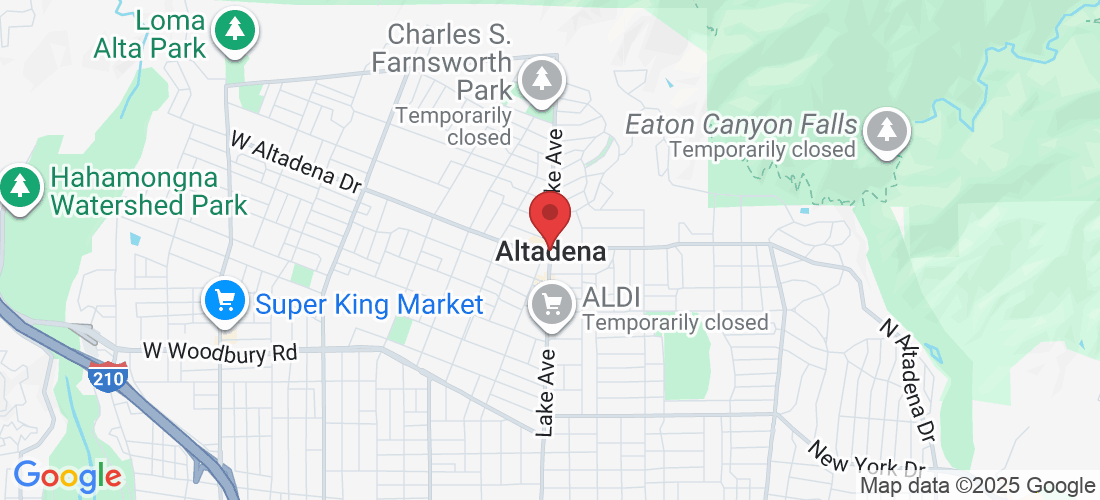
Altadena, nestled in the foothills of the San Gabriel Mountains in Los Angeles County, offers a unique blend of small-town charm and urban convenience. With a population of about 43,000 residents, Altadena enjoys a mild Mediterranean climate and close proximity to Pasadena and downtown Los Angeles, making it an attractive location for families and professionals alike.

Top Neighborhoods and Housing Costs

Altadena's residential areas are known for their character and diversity, from historic estates to modern homes. Key neighborhoods include Janes Village, known for its 1920s architecture, and the Altadena Country Club area, offering upscale homes and scenic views. Housing prices vary widely, with the median home price around $1.2 million, though more affordable options are available in select areas.

Neighborhood Average Home Price Notable Features
Janes Village $950,000 Craftsman-style homes, walkable streets
Altadena Country Club $1.5 million Golf course, mountain views
Normandie Heights $1.1 million Historic homes, tree-lined streets

Practical Information

Altadena offers efficient access to major roadways like the 210 Freeway, facilitating commutes throughout the Los Angeles metro area. Public transit options include Metro buses and nearby Metro Gold Line stations. The cost of living is higher than the national average, primarily due to housing. Safety is generally good, with active neighborhood groups contributing to community well-being.

Cultural Aspects & Lifestyle Benefits

Living in Altadena means enjoying a strong sense of community, an appreciation for nature, and cultural diversity. Residents value sustainability and support local businesses. The area offers numerous parks, hiking trails, and cultural institutions like the Altadena Library and Farnsworth Park, ideal for families and active individuals.

  • Strong community engagement
  • Access to outdoor recreation
  • Proximity to Pasadena and LA

Future Outlook & Development Plans

Altadena is seeing gradual growth with efforts focused on maintaining its unique character while improving infrastructure. Local and county-level initiatives aim to enhance walkability, green spaces, and small business support. These improvements are expected to increase property values and quality of life.

FAQs about Living in Altadena

Is Altadena a good place for families? Yes, it has excellent schools, safe neighborhoods, and family-friendly amenities.

What is the commute like? Many residents work in Pasadena or downtown LA, with drive times averaging 20–40 minutes depending on traffic.

Are there good outdoor activities? Absolutely—Altadena offers access to hiking, biking, and local parks.

References: Wikipedia

Loading RSS feed...