
Sponsored


Brass Recycling in Sherman Oaks
Local Recycling Centers Offering Fast, Accurate, And Eco-friendly Brass Services
Find reliable brass recycling options in Sherman Oaks with nearby facilities ready to handle yellow brass, red brass, plumbing fixtures, and mixed metal items. Local centers provide precise weighing, competitive pricing, and convenient drop-off—making it simple to recycle responsibly while earning top value for your brass materials. Browse Sherman Oaks brass recycling centers and connect with local providers today.
Brass Recycling in Sherman Oaks – Why Hire a Professional Brass Recycling Service
A Complete Guide to Efficient, Sustainable, and High-Value Brass Recycling
Understanding Brass Recycling in Sherman Oaks
Brass recycling in Sherman Oaks is an essential part of preserving natural resources, reducing waste, and supporting a cleaner, more environmentally conscious community. Brass is a versatile alloy composed primarily of copper and zinc, commonly found in household fixtures, plumbing materials, musical instruments, automotive parts, hardware, and decorative items. Because brass can be recycled repeatedly without losing its integrity, recycling it is both eco-friendly and economically beneficial.
Homeowners, contractors, and businesses in Sherman Oaks often encounter brass during renovations, plumbing upgrades, demolition projects, and system replacements. Instead of discarding these valuable materials into landfills, brass recycling enables them to be reused in manufacturing new products, significantly reducing the demand for new metal extraction and production.
Why Hire a Professional Brass Recycling Service in Sherman Oaks
Hiring a professional brass recycling service ensures that your materials are identified, sorted, and valued correctly. Brass comes in several varieties—yellow brass, red brass, plumbing brass, and mixed brass—and each type carries a different market value. Without expert knowledge, it’s difficult to distinguish between them accurately. Professional recyclers use industry-standard tools and grading techniques to ensure you receive fair and competitive pricing.
Another major benefit of hiring professionals is convenience. Brass can be heavy and bulky, especially when dealing with large plumbing fixtures or industrial components. A professional brass recycling service in Sherman Oaks can provide pickup assistance, on-site evaluations, and same-day payment options, making the entire process efficient and hassle-free.
Professional recyclers also ensure compliance with environmental regulations. Brass may contain residues such as solder, fittings, or coatings that require careful handling. Licensed recycling services adhere to Sherman Oaks’ waste management standards, ensuring responsible disposal and processing of all brass materials.
How to Choose the Best Brass Recycling Service in Sherman Oaks
Selecting the best brass recycling provider in Sherman Oaks requires researching reputable companies with strong customer feedback, transparent pricing, and verified experience. A trusted recycler will clearly explain their grading processes, weighing systems, and pricing structure based on current market rates.
Consider services that offer pickup solutions, assistance with sorting different types of brass, and fast payment options. These conveniences are especially valuable for remodeling contractors, plumbers, and industrial clients who frequently handle large quantities of brass scrap.
Communication is equally important. A high-quality brass recycling service will be easy to reach, ready to answer questions, and transparent about pricing and procedures. This level of professionalism ensures you always understand the value of your brass scrap and the steps involved in recycling it.
By partnering with a professional brass recycling service in Sherman Oaks, you maximize your earnings while ensuring environmentally responsible practices. Whether you're recycling plumbing fixtures, hardware, instruments, or mixed brass materials, expert recyclers provide accuracy, safety, and top-tier value.

TM Scrap Metals, Inc
Recycling Center

Google: 4.8 stars
Ferrous Metals Recycling, Non-Ferrous Metals Recycling
(818) 771-0510
11092 Tuxford St, Sun Valley, CA 91352
Website: www.tmscrapmetals.com
Scrap Metals in Sherman Oaks: Responsible Recycling Solutions
Innovative Approaches to Sustainable Waste Management
The Importance of Scrap Metal Recycling in Sherman Oaks
Scrap metal recycling is a cornerstone of Sherman Oaks’ environmental sustainability efforts. With the rising demand for metals in industries like construction and manufacturing, recycling helps reduce the need for mining and conserves valuable resources. From aluminum cans to steel beams, recycling scrap metal transforms waste into usable materials.
Recycling metals is also an energy-efficient process. Producing metals from recycled materials requires significantly less energy compared to extracting them from raw ores. This reduces greenhouse gas emissions, making recycling a vital step in combating climate change.
Recycling Centers and Services in Sherman Oaks
Sherman Oaks is home to several recycling centers that cater to both individuals and businesses. These facilities accept a wide range of scrap metals, including copper wiring, aluminum siding, and stainless steel appliances. Many centers offer cash incentives, encouraging residents to participate actively in recycling programs.
Advanced sorting and processing technologies ensure that metals are efficiently prepared for reuse. These facilities often collaborate with manufacturers to supply high-quality recycled materials, closing the loop on waste and production.
Local initiatives, such as community recycling drives and workshops, also play a key role in raising awareness and making recycling accessible to all residents of Sherman Oaks.
Benefits of Recycling Scrap Metals
Recycling scrap metals offers numerous environmental and economic advantages. Environmentally, it reduces the need for landfills and prevents toxic substances from leaching into the soil and water. Reusing metals minimizes the destruction of natural habitats and conserves finite resources.
Economically, recycling creates jobs in the collection, processing, and manufacturing sectors. It also provides a source of income for individuals who sell scrap metals to recycling facilities. For businesses, recycling scrap metals can offset waste disposal costs and improve their environmental impact.
Additionally, recycling scrap metals supports local industries by supplying affordable raw materials, promoting economic sustainability within the community.
How to Participate in Scrap Metal Recycling in Sherman Oaks
Getting started with scrap metal recycling in Sherman Oaks is simple. Begin by identifying metal waste in your home or business, such as old appliances, tools, or car parts. Clean the items and separate them by metal type to ensure smooth processing at recycling centers.
Contact local recycling facilities to learn about their services, accepted materials, and operating hours. Some centers may offer pickup services for large or heavy items, making recycling even more convenient.
Join community initiatives, such as recycling workshops or collection drives, to contribute to collective efforts in reducing waste and promoting sustainability in Sherman Oaks.
Conclusion: A Greener Sherman Oaks Through Recycling
Scrap metal recycling is an integral part of Sherman Oaks’ journey toward a sustainable future. By recycling metals, residents can help conserve resources, reduce environmental pollution, and support the local economy. The collective efforts of individuals and organizations ensure a cleaner, greener community for generations to come.
Whether you’re an individual, a business owner, or a member of a community group, there are countless ways to get involved in scrap metal recycling. Together, we can create a responsible and sustainable Sherman Oaks.
Evergreen Recycling and Waste Inc.
Description: Recycling center
Address: 2722 E Los Angeles Ave, Simi Valley, CA 93065
Telephone: (323) 873-7105
Opening Hours: Monday to Friday: 8:00 AM - 5:00 PM, Saturday: 8:00 AM - 5:00 PM, Sunday: 9:00 AM - 3:00 PM
Average Rating: 4.7 (20 ratings)
Website: evergreenrecyclingandwaste.com

Recycling
Description: Recycling center
Address: 2635 Park Center Dr, Simi Valley, CA 93065
Telephone: N/A
Opening Hours: Monday to Sunday: 9:00 AM - 5:00 PM
Average Rating: 3.9 (10 ratings)
Website: recycling-spot.com

CJ Metals Recycling
Description: Recycling center
Address: 8973 Norris Ave, Sun Valley, CA 91352
Telephone: (818) 771-9262
Opening Hours: Monday to Friday: 7:30 AM - 5:00 PM, Saturday: 8:00 AM - 12:00 PM, Sunday: Closed
Average Rating: 4.6 (26 ratings)
Website: Google Maps

Express Metals Recycling
Description: Recycling center, Auto wrecker, Junkyard, Metal supplier, Salvage yard, Scrap metal dealer
Address: 12207 Branford St, Sun Valley, CA 91352
Telephone: (818) 897-0633
Opening Hours: Monday to Friday: 7:00 AM - 6:00 PM, Saturday: 7:00 AM - 5:00 PM, Sunday: 7:00 AM - 1:00 PM
Average Rating: 3.6 (74 ratings)
Website: Google Maps

Brass Recycling Sherman Oaks
Top local brass recycling with fast payouts.
Get the best rates with trusted brass recycling in Sherman Oaks today!
People Also Ask
Brass is a popular recyclable alloy made primarily from copper and zinc, and recycling facilities typically accept several common types. These include yellow brass, red brass, plumbing fixtures, valves, faucets, bullet casings, musical instruments, and brass hardware. Many household and industrial items contain brass components that can be reused once separated from non-metal attachments. Recycling centers often sort brass based on alloy type and cleanliness, which helps determine grading and value. Because brass maintains its strength, corrosion resistance, and appearance through repeated recycling, reclaiming it helps conserve resources and reduces the need for mining new materials.
The brass recycling process begins with sorting materials based on alloy type, such as yellow brass or red brass. After sorting, items are inspected and cleaned to remove rubber, plastic, or steel components. Brass is then shredded or broken down into smaller pieces to prepare for melting. At the smelter, the brass is heated to high temperatures, allowing impurities to be separated and removed. The molten brass is poured into molds to create ingots or billets, which manufacturers later use to produce new brass goods. This efficient process enables brass to be recycled repeatedly without losing durability or performance.
Brass is considered valuable because it contains high amounts of copper, a metal with strong demand in electrical, construction, and industrial markets. Its durability, resistance to corrosion, and ability to retain quality after recycling further increase its value. Manufacturing new brass from raw materials requires significant energy, whereas recycling brass uses considerably less. Because brass is commonly used in plumbing, mechanical parts, decorative items, and electrical applications, recycling helps keep valuable metals in circulation. This makes brass a consistently sought-after material within the scrap industry, supporting both economic and environmental sustainability.
Preparing brass correctly helps recycling facilities process materials efficiently and may improve pricing. Start by separating brass items from other metals like copper, aluminum, and steel. Removing non-metal attachments such as gaskets, plastic handles, or rubber components can help increase purity. For plumbing brass, cutting away steel fittings or heavily soldered sections can result in a cleaner grade. Sorting brass into categories—such as yellow brass, red brass, and spent shell casings—enables recycling centers to evaluate materials more accurately. Clean, well-sorted brass not only speeds up processing but also supports higher recovery of valuable metal content.
Recycling brass provides several environmental benefits, primarily by reducing the need for mining copper and zinc ores. Mining can be energy-intensive and may disrupt ecosystems, making brass recycling a more sustainable alternative. Recycling brass also requires significantly less energy than producing new material, which in turn helps lower greenhouse gas emissions. Additionally, diverting brass from landfills reduces waste and supports long-term resource conservation. Because brass can be recycled repeatedly without degrading, it remains an environmentally friendly material that contributes to a circular economy and promotes responsible resource management.
Recycled brass is widely used to manufacture plumbing fixtures, valves, gears, bearings, electrical connectors, musical instruments, and decorative hardware. Its strength, machinability, and corrosion resistance make it ideal for both functional and ornamental applications. Industrial sectors rely on recycled brass for components in machinery, automotive systems, and heavy-duty mechanical parts. Because recycled brass maintains the same high-quality properties as newly made brass, manufacturers can reduce production costs and energy usage by using recycled materials. Its versatility and long lifespan make recycled brass essential in many industries.
Recycling centers grade brass based on alloy composition, cleanliness, and overall condition. Yellow brass is typically the most common grade and includes items like valves and fixtures. Red brass contains higher copper content and is often found in plumbing applications, making it more valuable. Clean brass free from excessive corrosion, solder, or steel attachments is graded higher than mixed or contaminated materials. Bullet casings and specialized brass alloys may be graded separately due to different compositions. Proper grading ensures that brass is smelted efficiently and meets the quality requirements needed for manufacturing new products.
Brass prices often fluctuate due to changes in the global copper and zinc markets, since brass is primarily composed of these metals. Economic conditions, industrial demand, and manufacturing activity also influence pricing. When industries such as construction, plumbing, and electronics increase production, demand for brass rises, typically resulting in higher prices. Conversely, market slowdowns or oversupply can cause values to dip. Additional factors, such as energy costs, transportation expenses, and international trade conditions, can also affect pricing. Understanding these fluctuations helps sellers choose the best time to recycle brass materials.
Living in Sherman Oaks, CA: Urban Sophistication Meets Suburban Comfort
Introduction to Sherman Oaks
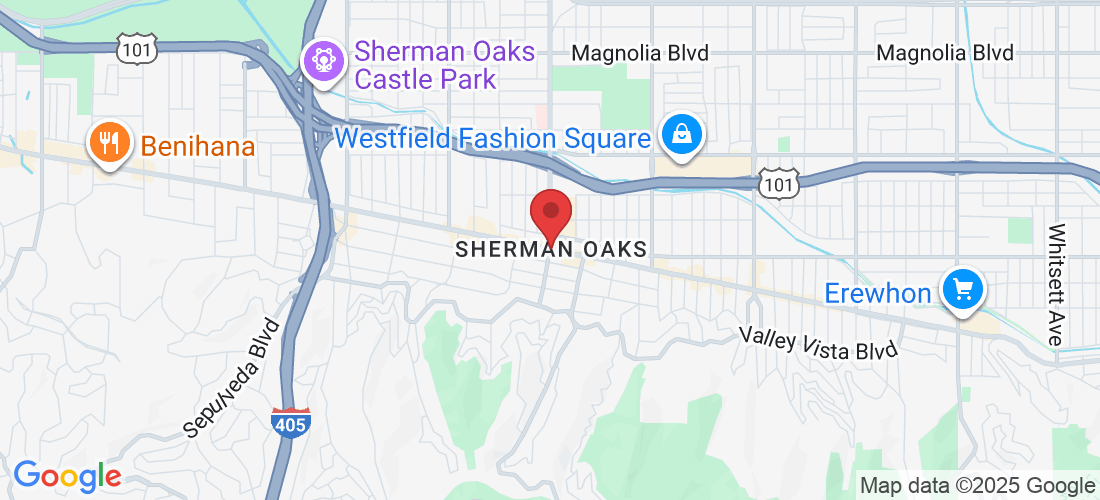
Sherman Oaks, located in the San Fernando Valley region of Los Angeles, is a neighborhood that combines urban sophistication with the tranquility of suburban living. Known for its tree-lined streets, vibrant commercial districts, and upscale amenities, Sherman Oaks is a coveted destination for families, young professionals, and retirees seeking a balanced lifestyle.
Living in Sherman Oaks offers a unique blend of modern conveniences and community charm. Its central location provides easy access to major freeways, making it a strategic base for exploring Los Angeles while enjoying a more relaxed pace of life.
Lifestyle and Neighborhood Appeal
Sherman Oaks is renowned for its well-maintained neighborhoods, offering a mix of stylish apartments, contemporary condominiums, and luxurious single-family homes. The area’s quiet residential streets are complemented by bustling hubs like Ventura Boulevard, where residents can enjoy a plethora of dining, shopping, and entertainment options.
The lifestyle in Sherman Oaks is both active and family-friendly, with parks like Van Nuys-Sherman Oaks Park providing spaces for recreation and relaxation. The neighborhood also boasts a strong sense of community, with local events, farmer’s markets, and cultural activities bringing residents together.
Economic Opportunities and Emerging Industries
Sherman Oaks is a hub of economic activity, with opportunities in industries such as entertainment, technology, healthcare, and retail. Its proximity to major studios and business centers in Los Angeles makes it an ideal location for professionals seeking career growth. Additionally, the neighborhood has seen a rise in eco-conscious businesses, including those in recycling and green technologies.
While Sherman Oaks is not directly associated with heavy industries like scrap metal recycling, its focus on sustainability and innovation aligns with Los Angeles’ broader environmental goals. Residents and businesses in Sherman Oaks actively support recycling initiatives and eco-friendly practices, contributing to a cleaner and greener city.
Things to Do in Sherman Oaks
Sherman Oaks offers a wide array of attractions and activities for residents and visitors. Ventura Boulevard serves as the neighborhood’s vibrant main street, featuring trendy boutiques, gourmet restaurants, and cozy cafes. For those who love the outdoors, the nearby Sepulveda Basin Recreation Area offers trails, wildlife, and opportunities for kayaking and picnicking.
Entertainment options abound, from intimate local theaters to luxury cinemas. The neighborhood’s cultural scene is enriched by art galleries, music venues, and community events that showcase the talents of local artists and performers. Whether you’re in the mood for a quiet evening or a lively night out, Sherman Oaks has something to offer.
Education and Community Services
Families in Sherman Oaks benefit from access to top-rated public and private schools that emphasize academic excellence and extracurricular engagement. The neighborhood is also home to reputable preschools and daycare centers, making it a great choice for families with young children.
Community resources in Sherman Oaks are abundant, with libraries, health clinics, and recreational facilities enhancing the quality of life for residents. Local organizations and nonprofits play a crucial role in fostering a supportive and inclusive environment, offering programs for youth development, wellness, and career advancement.
The Future of Sherman Oaks
Sherman Oaks is poised for continued growth and innovation. Investments in public infrastructure, sustainable development, and green spaces ensure that the neighborhood retains its charm while adapting to the needs of a modern population. The community’s commitment to sustainability and smart urban planning makes it a model for balanced growth in Los Angeles.
With its mix of luxury, convenience, and community spirit, Sherman Oaks is well-positioned to attract new residents and businesses while preserving its unique character. It’s a neighborhood where tradition meets progress, offering a high quality of life for all.
Conclusion
Sherman Oaks, CA, is a neighborhood that exemplifies the best of both worlds—urban amenities and suburban comfort. From its thriving local economy and diverse activities to its family-friendly atmosphere and focus on sustainability, Sherman Oaks offers a lifestyle that’s both enriching and enjoyable. Whether you’re considering a move or simply exploring Los Angeles, Sherman Oaks is a destination worth discovering.
For more information about Sherman Oaks and its resources, visit the official Los Angeles website at https://www.lacity.org.