



Sponsored Section

Insulated Copper Wire Recycling in Altadena

Local Recycling Centers Offering Fast, Accurate, And Eco-friendly Wire Processing

Discover trusted insulated copper wire recycling options in Altadena with nearby facilities ready to handle household wiring, appliance cords, communication cables, and high-grade insulated wire. Local centers provide precise grading, competitive payouts, and quick, convenient drop-off—making responsible recycling easy while maximizing the value of your materials. Browse Altadena insulated copper wire recycling centers and connect with local providers today.

Insulated Copper Wire Recycling in Altadena – Why Hire a Professional Insulated Copper Wire Recycling Service

A Complete Guide to Efficient, High-Value, and Eco-Friendly Insulated Copper Wire Recycling

Understanding Insulated Copper Wire Recycling in Altadena

Insulated copper wire recycling in Altadena is an essential part of responsible waste management, especially as electrical upgrades, renovations, and equipment replacements generate large amounts of scrap wire. Insulated copper wire contains highly valuable copper underneath its protective coating, making it one of the most profitable materials to recycle. Copper is prized for its conductivity, durability, and ability to be recycled repeatedly without losing quality.

Altadena homeowners, electricians, contractors, and commercial businesses often accumulate insulated copper wire from old appliances, communication cables, electrical wiring, and industrial equipment. Recycling this wire ensures copper is reclaimed and reintroduced into the manufacturing cycle, reducing the environmental toll associated with mining and producing new copper.

Why Hire a Professional Insulated Copper Wire Recycling Service in Altadena

Hiring a professional insulated copper wire recycling service guarantees safety, accuracy, and efficiency. Manually stripping insulated wire is time-consuming, risky, and often yields less copper than when processed by professionals. Certified recyclers in Altadena use advanced machinery such as wire strippers, shredders, and separation systems to extract the maximum amount of copper without damaging it.

Professional recyclers are also skilled at identifying different types of insulated wire—such as communication wire, Romex wire, THHN wire, and high-grade insulated wire—which all carry different market values. Their experience ensures you receive accurate grading and the highest possible payout based on current copper prices.

Convenience is another major benefit. Many Altadena recycling services offer pickup options, bulk wire processing, and same-day payments. This is especially valuable for electricians, contractors, and businesses that frequently generate large quantities of insulated copper wire scrap.

Additionally, professional recyclers follow all local environmental regulations to ensure that insulation materials are disposed of safely. Improper handling can lead to pollution, but licensed recycling facilities guarantee compliance with Altadena’s waste management and eco-friendly standards.

How to Choose the Best Insulated Copper Wire Recycling Service in Altadena

Selecting the best insulated copper wire recycling provider starts with evaluating reputation, experience, and transparency. A reliable recycler will clearly explain how insulated wire is graded, how copper content is determined, and how market pricing affects payouts. Look for services with strong customer reviews and proven expertise in wire processing.

If you generate large quantities of insulated copper wire—as many contractors and businesses do—consider choosing a service that offers bulk processing, on-site evaluations, and fast payment options. These perks streamline operations and significantly increase profitability.

Communication is equally important. A trustworthy Altadena recycling company will provide prompt responses, clear instructions, and full transparency throughout the transaction. This ensures confidence and eliminates confusion during the recycling process.

By hiring a professional insulated copper wire recycling service in Altadena, you maximize copper recovery, ensure eco-friendly disposal of insulation materials, and receive top-dollar payouts for your scrap. Whether you're recycling household wiring, communication cables, or large quantities of commercial-grade wire, professional services guarantee accuracy, efficiency, and environmental responsibility.

best scrap metals recycling center near Sun Valley - TM Scrap Metals

TM Scrap Metals, Inc

Recycling Center

https://www.tmscrapmetals.com/

Google: 4.8 stars

Ferrous Metals Recycling, Non-Ferrous Metals Recycling

  • (818) 771-0510

  • 11092 Tuxford St, Sun Valley, CA 91352

Old Scrap Metals - best scrap metals pricing near Sun Valley - TM Scrap Metals

Altadena Recycling Center

Description: Local CRV recycling center that accepts aluminum cans, plastic, glass, and scrap metals.

Address: 2211 N Lincoln Ave, Altadena, CA 91001, USA

Phone: (626) 604‑0014

Website: altadenarecycling.com

Opening Hours: Tue–Sun 9:00 am–4:30 pm; closed Monday

P&T Metals

Description: Full‑service industrial and public scrap metal recycling and processing center serving Southern California, including Altadena.

Address: Serving Altadena, CA 91001, USA

Website: ptmetals.com

Industrial Scrap Metal Company

Description: Offers copper and general scrap metal recycling, with walk‑in and container/pickup services in Altadena.

Address: Altadena, CA 91001, USA

Website: industrialscrapmetal.com

LoadUp – Scrap Metal Removal Services

Description: Junk-removal company offering curbside and in-home scrap metal pickup, recycling-focused in Altadena.

Service Area: Altadena & Los Angeles County

Phone: (844) 239‑7711 or text (678) 884‑4738

Website: goloadup.com

Opening Hours: Daily 8:00 am–8:00 pm EST

Insulated Copper Wire Recycling Altadena

Fast, reliable payouts for insulated copper wire.

Get top value with trusted insulated copper wire recycling in Altadena today!

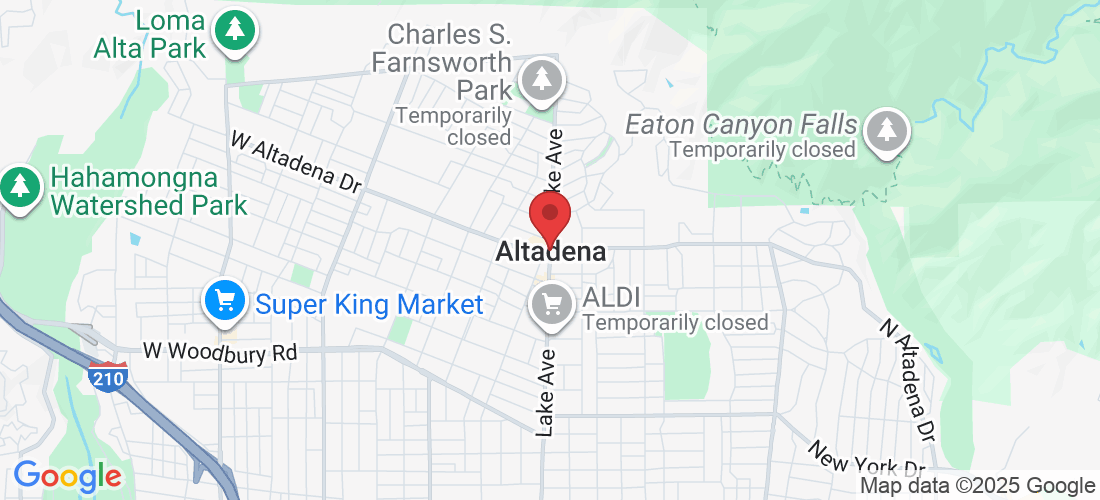
Altadena, CA, USA

People Also Ask

What Types of Insulated Copper Wire Can Be Recycled?

Most forms of insulated copper wire can be recycled, including household electrical wire, appliance cords, extension cords, communication cables, automotive wiring, low-voltage wire, and construction-related wiring such as Romex or THHN. These wires contain copper cores wrapped in plastic, rubber, or fabric insulation. Copper is one of the most valuable recyclable metals because it can be reused repeatedly without losing quality. Even low-grade insulated wire with heavy insulation can be processed to recover its copper content. Since copper plays a major role in electrical, industrial, and technological applications, insulated copper wire is an important part of the recycling industry and a significant source of recoverable metal.

Why Is Insulated Copper Wire Valuable for Recycling?

Insulated copper wire is valuable because it contains copper, one of the most sought-after metals in global markets. Copper is prized for its excellent conductivity, durability, and versatility, making it essential in electrical systems, electronics, renewable energy, and industrial manufacturing. Mining new copper requires extensive energy and environmental resources, while recycling copper uses only a fraction of that energy. The insulation wrapped around copper wire does not reduce the value of the metal, as it can be removed mechanically or through granulation processes. As demand for copper continues to grow, insulated wire remains a reliable and abundant source of recyclable copper.

How Does the Insulated Copper Wire Recycling Process Work?

The recycling process begins with sorting wires by type, copper content, and insulation thickness. Higher-grade wires contain more copper and less insulation, while lower-grade wires may require more processing. After sorting, the wire is either mechanically stripped using specialized equipment or processed through granulators that chop the wire into small pieces. This method separates copper and plastic based on density differences, allowing the copper to be collected cleanly. The recovered copper is then cleaned, melted, and formed into new raw material. This efficient process helps recover valuable copper while minimizing waste from insulation materials.

How Should Insulated Copper Wire Be Prepared Before Recycling?

Preparing insulated copper wire for recycling mainly involves keeping different types of wire organized. Sorting copper wire separately from aluminum wire helps ensure accurate grading. Removing attachments such as plugs, connectors, or metal fasteners can improve the purity of the wire and may contribute to better value. While some individuals choose to strip insulation manually, this is optional and should only be done safely and with proper tools. Most recycling centers can process insulated wire as-is. Clean, sorted, and organized wire loads help streamline the recycling process and support more efficient metal recovery.

What Are the Environmental Benefits of Recycling Insulated Copper Wire?

Recycling insulated copper wire significantly reduces the need for mining copper ore, which requires substantial energy and environmental resources. The recycling process uses far less energy and produces fewer emissions than traditional mining and refining. It also keeps recyclable metal out of landfills, where insulated wire can take years to break down. By recovering copper from wire, industries conserve natural resources and support a circular economy. Additionally, recycling helps reduce e-waste by reclaiming metal from discarded electronics, appliances, and wiring systems. The environmental benefits make insulated copper wire recycling a key part of sustainable waste management.

What Items Commonly Contain Insulated Copper Wire?

Insulated copper wire is found in a wide range of everyday and industrial items. Common sources include power cords, computer cables, extension cords, home electrical wiring, small appliances, lighting fixtures, HVAC systems, automotive wiring, and many types of electronic devices. Large household appliances such as refrigerators, washers, dryers, and air conditioners also contain insulated copper wire. Construction sites often generate significant amounts of copper wire scrap during installation or renovation. Because insulated copper wire is used so widely, it remains one of the most abundant and recyclable sources of copper metal.

How Do Recycling Centers Determine the Value of Insulated Copper Wire?

The value of insulated copper wire depends on copper purity, insulation thickness, wire grade, and current market prices. Higher-grade wire, such as THHN or communication wire, contains more copper and less insulation, making it more valuable. Lower-grade wire, such as appliance cords or heavily insulated wiring, may require more processing and typically has a lower copper recovery percentage. Recycling centers evaluate each load based on weight, insulation level, and copper content. Market fluctuations in copper pricing also play a major role in determining wire value, as copper is a globally traded commodity.

Why Do Insulated Copper Wire Prices Fluctuate?

Prices for insulated copper wire fluctuate because they are tied closely to global copper markets. Factors such as mining output, industrial demand, energy costs, and global economic conditions influence copper prices. Manufacturing sectors like construction, electronics, and renewable energy heavily impact copper demand. When demand rises or supply is limited, copper prices—and therefore insulated wire prices—typically increase. Economic slowdowns, changes in supply chains, or shifts in commodity markets can cause prices to decline. These fluctuations are normal and reflect broader global market activity.

ALTADENA WEATHER

Living in Altadena: A Community Guide

Overview of Altadena

Altadena, nestled in the foothills of the San Gabriel Mountains in Los Angeles County, offers a unique blend of small-town charm and urban convenience. With a population of about 43,000 residents, Altadena enjoys a mild Mediterranean climate and close proximity to Pasadena and downtown Los Angeles, making it an attractive location for families and professionals alike.

Top Neighborhoods and Housing Costs

Altadena's residential areas are known for their character and diversity, from historic estates to modern homes. Key neighborhoods include Janes Village, known for its 1920s architecture, and the Altadena Country Club area, offering upscale homes and scenic views. Housing prices vary widely, with the median home price around $1.2 million, though more affordable options are available in select areas.

Neighborhood Average Home Price Notable Features
Janes Village $950,000 Craftsman-style homes, walkable streets
Altadena Country Club $1.5 million Golf course, mountain views
Normandie Heights $1.1 million Historic homes, tree-lined streets

Practical Information

Altadena offers efficient access to major roadways like the 210 Freeway, facilitating commutes throughout the Los Angeles metro area. Public transit options include Metro buses and nearby Metro Gold Line stations. The cost of living is higher than the national average, primarily due to housing. Safety is generally good, with active neighborhood groups contributing to community well-being.

Cultural Aspects & Lifestyle Benefits

Living in Altadena means enjoying a strong sense of community, an appreciation for nature, and cultural diversity. Residents value sustainability and support local businesses. The area offers numerous parks, hiking trails, and cultural institutions like the Altadena Library and Farnsworth Park, ideal for families and active individuals.

  • Strong community engagement
  • Access to outdoor recreation
  • Proximity to Pasadena and LA

Future Outlook & Development Plans

Altadena is seeing gradual growth with efforts focused on maintaining its unique character while improving infrastructure. Local and county-level initiatives aim to enhance walkability, green spaces, and small business support. These improvements are expected to increase property values and quality of life.

FAQs about Living in Altadena

Is Altadena a good place for families? Yes, it has excellent schools, safe neighborhoods, and family-friendly amenities.

What is the commute like? Many residents work in Pasadena or downtown LA, with drive times averaging 20–40 minutes depending on traffic.

Are there good outdoor activities? Absolutely—Altadena offers access to hiking, biking, and local parks.

References: Wikipedia

Loading RSS feed...